
Home Care After a Hospital Stay: How to Get Recovery Right 🫂
Going home after a hospital stay should feel like good news. And it usually is, but it often comes with a quiet anxiety that catches families off guard. The ward routine disappears overnight. The nursing support that felt reassuring is suddenly gone. And daily tasks that were once effortless can feel unexpectedly difficult.
At Support at Home, this transition is something we understand well. After-hospital care is one of the most common reasons families come to us, and one of the areas where the right support makes the most measurable difference.
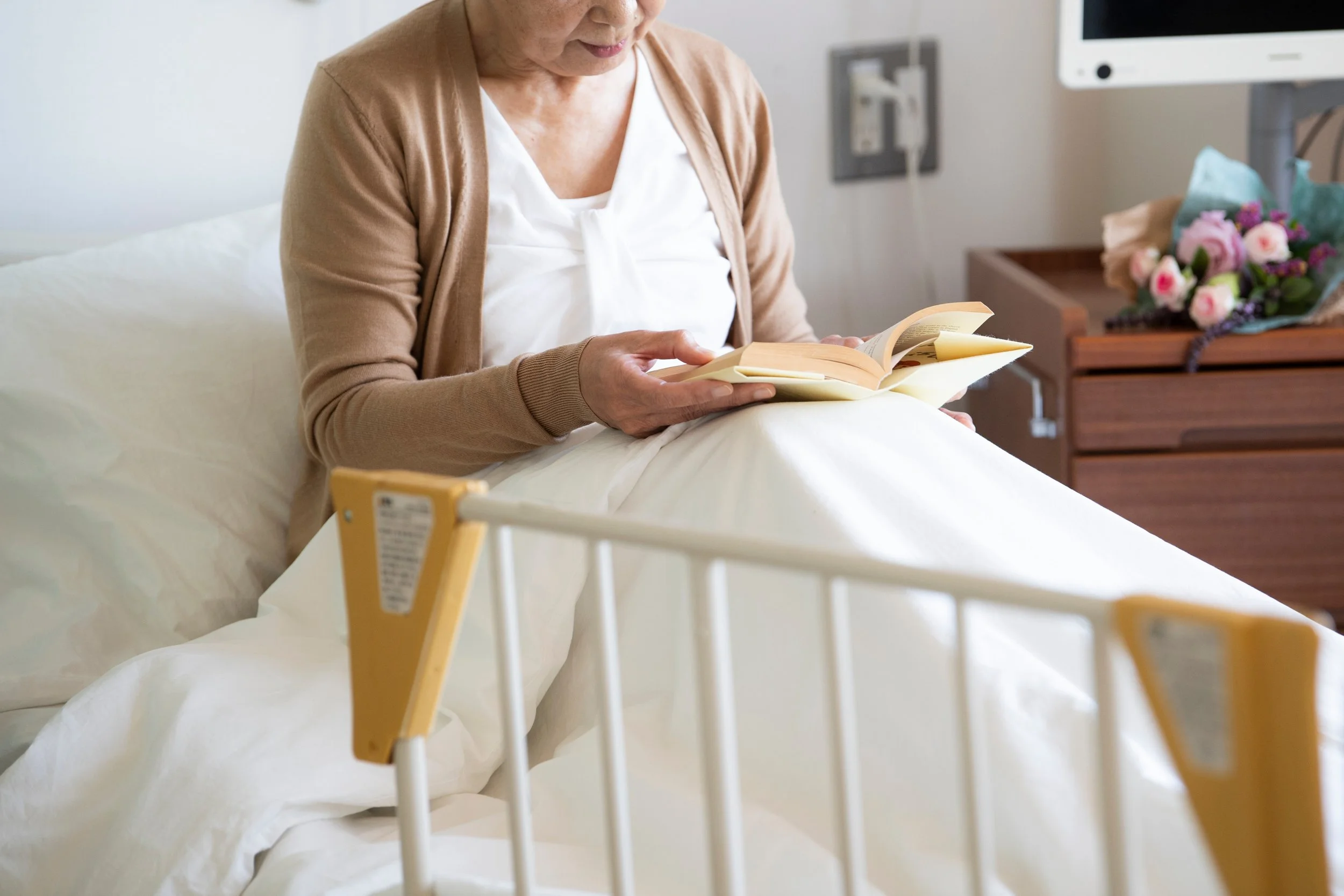
Why the first weeks at home matter most
Research consistently shows that the period immediately following hospital discharge carries an elevated risk of complications, falls, and readmission, particularly for older adults and those recovering from surgery, stroke, or a significant illness. Without support in place, small problems can escalate quickly.
The goal of after-hospital care isn't to replicate hospital care at home. It's to provide a structured, reassuring bridge back to independence, at a pace that suits the individual.
What after-hospital support looks like in practice
Every person comes home from the hospital in a different condition, with different needs and different home circumstances. Our care plans are built around the individual, not a standard package, and typically include a combination of:
Personal care — washing, dressing, and grooming support in a way that preserves dignity
Mobility assistance and safe moving around the home
Medication reminders and monitoring
Meal preparation and hydration support
Companionship and emotional reassurance during what can be a disorienting time
Liaison with GPs, district nurses, and therapy teams
Where clinical needs are present, such as wound care, catheter management, or post-operative monitoring, our specialist clinical team can step in alongside personal care support to provide a fully joined-up service.
Recovery at home is often faster than people expect
There's good evidence that people recover better in familiar surroundings. Being at home, with personal belongings, established routines, and the people who matter most nearby, has a genuine positive effect on confidence and emotional well-being. The contrast with an unfamiliar ward environment is significant, and most people feel it almost immediately.
Our rehabilitation support service can extend this further for people who need structured help rebuilding strength, mobility, or daily living skills following illness or surgery.
Support for families, not just the person coming home
Hospital discharge often turns family members into carers overnight, without training, preparation, or any real understanding of what they're taking on. That's a lot of pressure, and it's one we hear about regularly.
Our after-hospital service supports the whole household. Families can step back from the clinical and practical side of things and focus on simply being present with their loved one. If you've read our post on how home care gives families peace of mind, much of what applies there applies doubly in those early weeks after discharge.
Planning ahead makes everything easier
If you know a discharge is coming, whether it's planned surgery or an ongoing admission, it's worth arranging care before the person comes home rather than scrambling afterwards. We can usually move quickly, but early conversations allow us to put a more considered plan in place.
We support people returning home across Liverpool, Warrington, Halton, and Runcorn, and our funding your care page explains the financial options available, including NHS Continuing Healthcare and local authority funding.
If you’re planning for discharge or worried about what comes next, our team is here to help you navigate the transition with confidence and care 🫶