
Caring for Someone with Parkinson's Disease at Home
Understanding Parkinson's Disease
Parkinson's disease is a progressive neurological condition affecting movement, coordination, and a range of other functions. It is caused by a loss of nerve cells in a specific area of the brain, leading to a reduction in dopamine, the chemical that helps control and coordinate movement.
Common symptoms include tremor, rigidity, slowness of movement, and balance difficulties. But Parkinson's also affects speech, swallowing, sleep, mood, cognition, and bladder function, making it a condition that touches almost every aspect of daily life.
Daily Challenges and How to Address Them
For people with Parkinson's, everyday tasks that others take for granted, getting dressed, preparing food, and taking medication at precise times, can become significantly more challenging. Timing is often critical: many people with Parkinson's experience 'on' and 'off' periods related to their medication, during which their mobility and function fluctuate considerably.
Home care that is timed around medication schedules and adjusted to the individual's 'on' and 'off' periods can make a meaningful difference to daily functioning and comfort.
The Role of Home Care in Parkinson's Support
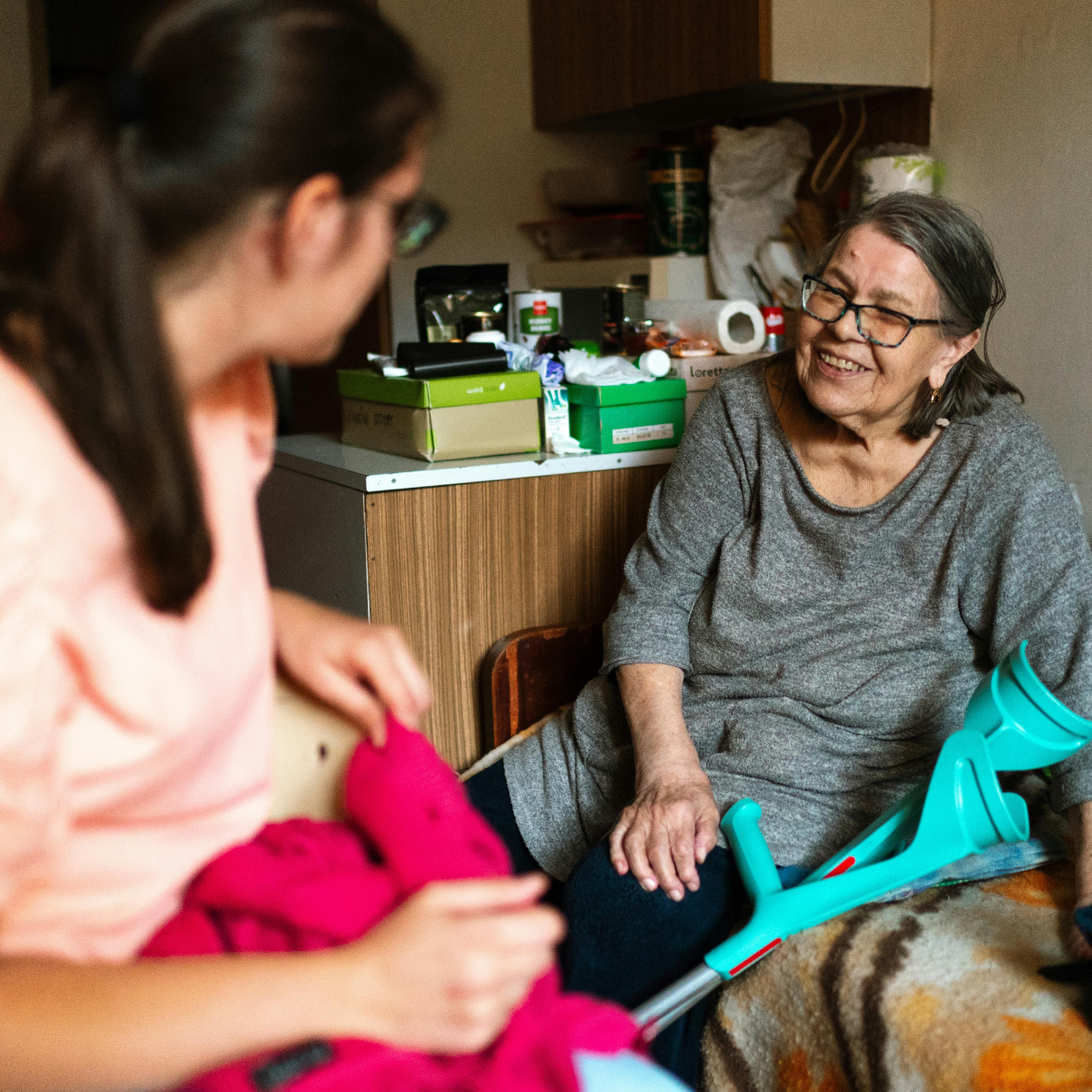
A specialist home care team can support people with Parkinson's across the full range of their needs: personal care and mobility assistance, medication management, meal preparation, communication support, and exercise programmes aligned with physiotherapy guidance.
Beyond practical support, consistent human connection is profoundly beneficial for people living with Parkinson's, many of whom experience depression and anxiety as part of the condition. Our teams are trained to provide compassionate emotional support alongside physical care.
Maintaining Independence and Quality of Life
Parkinson's is a condition that changes over time, and care needs to adapt accordingly. Regular review of care plans, close communication with the person's neurology and GP teams, and a commitment to maximising independence at every stage are all central to our approach at Support At Home. Explore our Complex Care and Adult Social Care services, and visit Funding Your Care for guidance on how support can be funded.