
Therapeutic Activities for the Elderly at Home
Why Therapeutic Activities Matter
As people age, maintaining mental and physical activity becomes one of the most powerful tools for well-being. Therapeutic activities for elderly people are not simply ways to pass time; they support cognitive function, emotional health, physical mobility, and a sense of purpose.
For people receiving care at home, these activities can be woven naturally into daily routines, meaning there is no need to travel to a facility or follow a rigid programme. The home environment itself provides comfort, familiarity, and the freedom to engage at a personal pace.
Cognitive and Creative Activities
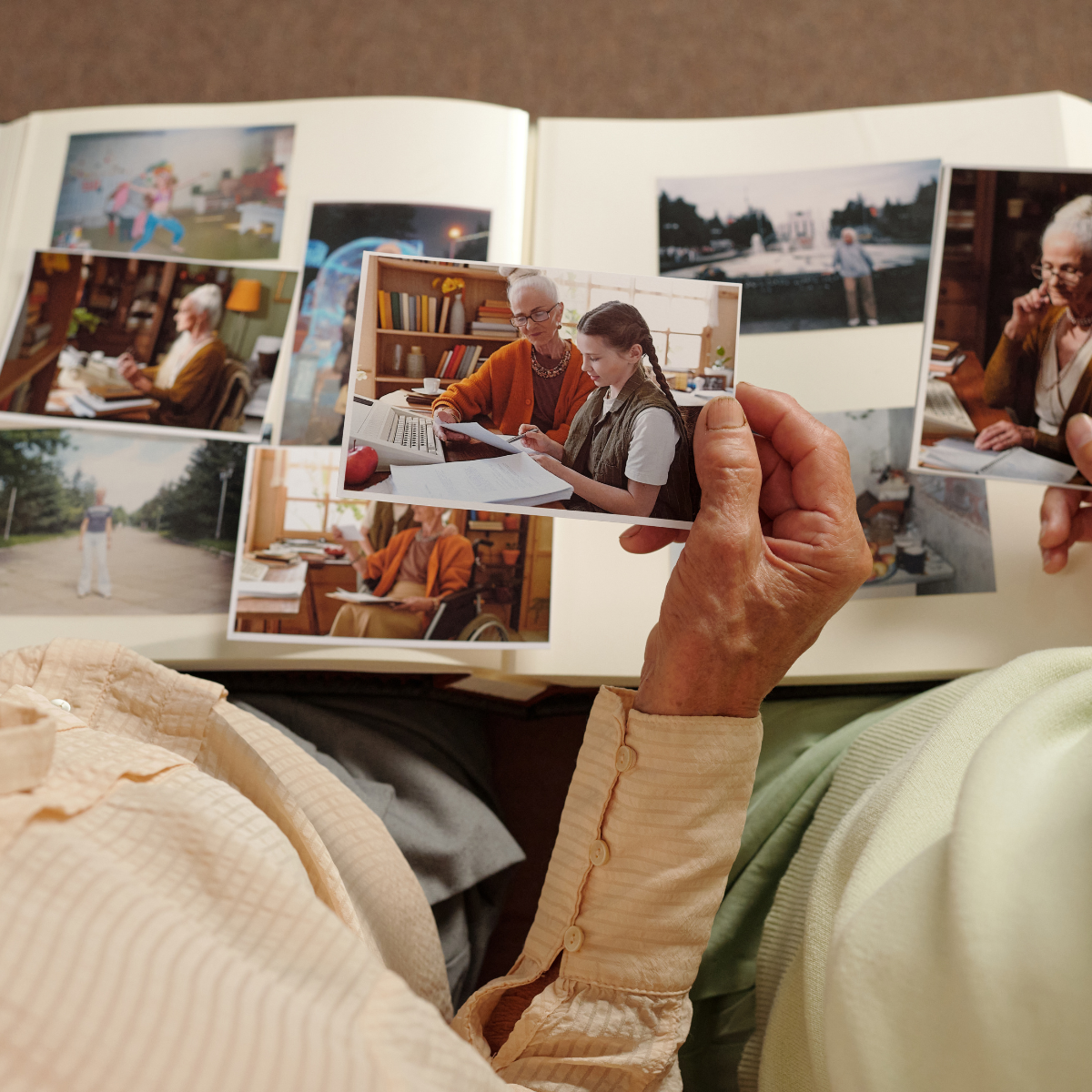
Reminiscence therapy is one of the most widely recognised approaches for older adults, particularly those living with dementia. Encouraging a person to look through old photographs, listen to music from their youth, or talk through meaningful memories can stimulate recall and improve mood significantly.
Other cognitive activities include puzzles, board games, word searches, and reading. Creative pursuits such as painting, knitting, or light craft projects have also been shown to reduce anxiety and improve fine motor skills in older adults.
Physical and Sensory Activities
Gentle physical activity is essential for maintaining strength, balance, and joint mobility. Chair-based yoga, light stretching, and short walks in the garden can all be adapted to an individual's ability. Music therapy, whether listening, singing, or using simple instruments, engages multiple senses and is particularly beneficial for those with communication difficulties.
Gardening is another excellent therapeutic activity. Even those with limited mobility can tend to indoor plants or a small raised bed, which provides purpose, sensory stimulation, and connection to nature.
How Home Care Supports Meaningful Activity
A skilled care team doesn't simply manage physical needs; they help people live fully. At Support At Home, our adult social care and complex care teams work with each individual to understand what brings them joy and meaning, building these activities into personalised support plans.
Whether someone benefits from conversation, creative engagement, or gentle movement, care that happens in the home means activities are shaped around the person, not a group schedule. Explore our Adult Social Care services and Complex Care support to find out how we can help.